
The Science of Pearl Formation: How Nature Creates Something Perfectly Imperfect
Applies broadly — not location-specific
A pearl is not made. It is formed. Slowly. Quietly. Without intention to impress. Understanding how pearls form changes how you see them — not just as jewelry, but as a natural process shaped by time and response.
The Beginning: An Irritation
Pearl formation starts with something small. A particle — such as organic material — enters the soft tissue of a mollusk. To protect itself, the mollusk begins to coat the irritant with a substance called nacre. This is the same material that gives pearls their signature luster.
Layer by Layer: The Role of Nacre
Nacre is made of microscopic layers of calcium carbonate and organic compounds. Over time, these layers build up gradually. As light interacts with the depth of these layers, the soft, reflective shine unique to pearls begins to emerge. This layered structure is what creates the "glow" from within.
Time: The Invisible Ingredient
Unlike gemstones that are cut and polished by machines, pearls develop naturally within a living organism. Depending on environmental conditions, formation can take several months or multiple years. Generally, the longer the process, the thicker the nacre — and the richer the luster.
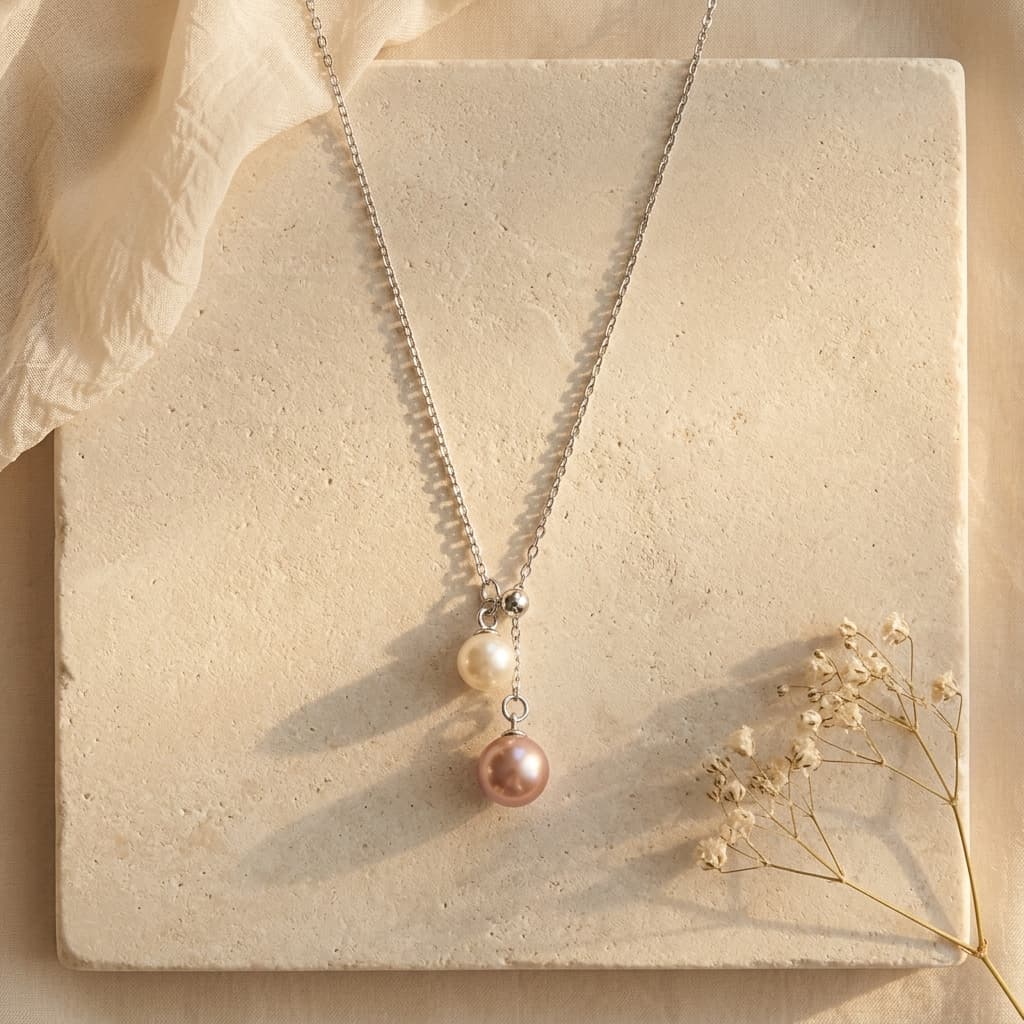
Why No Two Pearls Are the Same
Pearls are shaped by the movement of the mollusk and environmental factors like water temperature and nutrients. This is why perfectly round pearls are rare, and why baroque pearls exist. Each one is a biological record of its own formation.
(You may also like: Why Pearls Were Once More Valuable Than Diamonds )
Natural vs. Cultured Pearls
Both are real pearls formed by the same biological process. The only difference is how it begins: natural pearls start by chance, while cultured pearls are initiated by human intervention. In both cases, the mollusk creates the pearl layer by layer using its own nacre.
What Determines Pearl Quality
Several scientific factors influence value:
- Luster: How light reflects from the surface.
- Nacre Thickness: Deeper layers create a more "metallic" or rich glow.
- Surface Quality: Natural markings that prove authenticity.
- Shape: From classic round to unique, organic baroque.
A Different Kind of Perfection
Pearls are responsive and organic. They are not designed; they are experienced. The science of pearl formation carries a deeper idea: Something beautiful can come from time and response. That is not just a concept — it is how pearls actually come to be.
FAQ
How long does it take for a pearl to form?
It can take anywhere from 6 months to several years depending on the type of mollusk and its environment.
Are baroque pearls "imperfect" pearls?
No. Scientifically, they are simply pearls where the nacre formed in asymmetrical layers, creating a unique, one-of-a-kind shape.
Product Inspiration
At Mirenpearl, we believe every pearl’s unique curve is a celebration of your story.
Be Beautiful for Yourself Only.