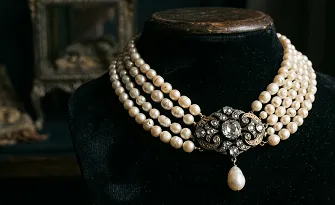
Pearls in Royal History: Why Queens Chose Pearls as Their Signature Power
Applies broadly — not location-specific
Long before modern fashion existed, jewelry already carried meaning.
In royal history, every piece was chosen with intention.
And across centuries, one material appeared again and again:
Pearls.
—
Why Pearls Became a Royal Symbol
In early history, pearls were among the rarest treasures on earth.
They could not be manufactured.
They had to be found.
This made them:
• exclusive
• unpredictable
• deeply valuable
For royalty, this rarity translated into power.
Owning pearls meant controlling something nature itself rarely offered.
—
The Queens Who Defined Pearl Legacy
Some of the most iconic royal figures were known for their use of pearls.
Elizabeth I built her image around them — often wearing elaborate pearl-encrusted gowns as a symbol of purity and authority.
Anne Boleyn was famously portrayed wearing a pearl necklace with the letter “B,” blending identity with symbolism.
For these queens, pearls were not accessories.
They were statements.
—
More Than Beauty — A Language of Power
In royal courts, clothing and jewelry acted as communication.
Pearls conveyed:
• status without excess
• elegance without aggression
• authority without noise
Unlike gemstones that demanded attention, pearls carried quiet control.
They did not need to shine loudly to be seen.
—
The Meaning Behind the Choice
Why did queens consistently choose pearls?
Because pearls represented something unique:
• natural formation (not cut or shaped)
• patience over time
• beauty without force
These qualities aligned with how royalty wanted to be perceived:
Composed. Enduring. Unquestioned.
—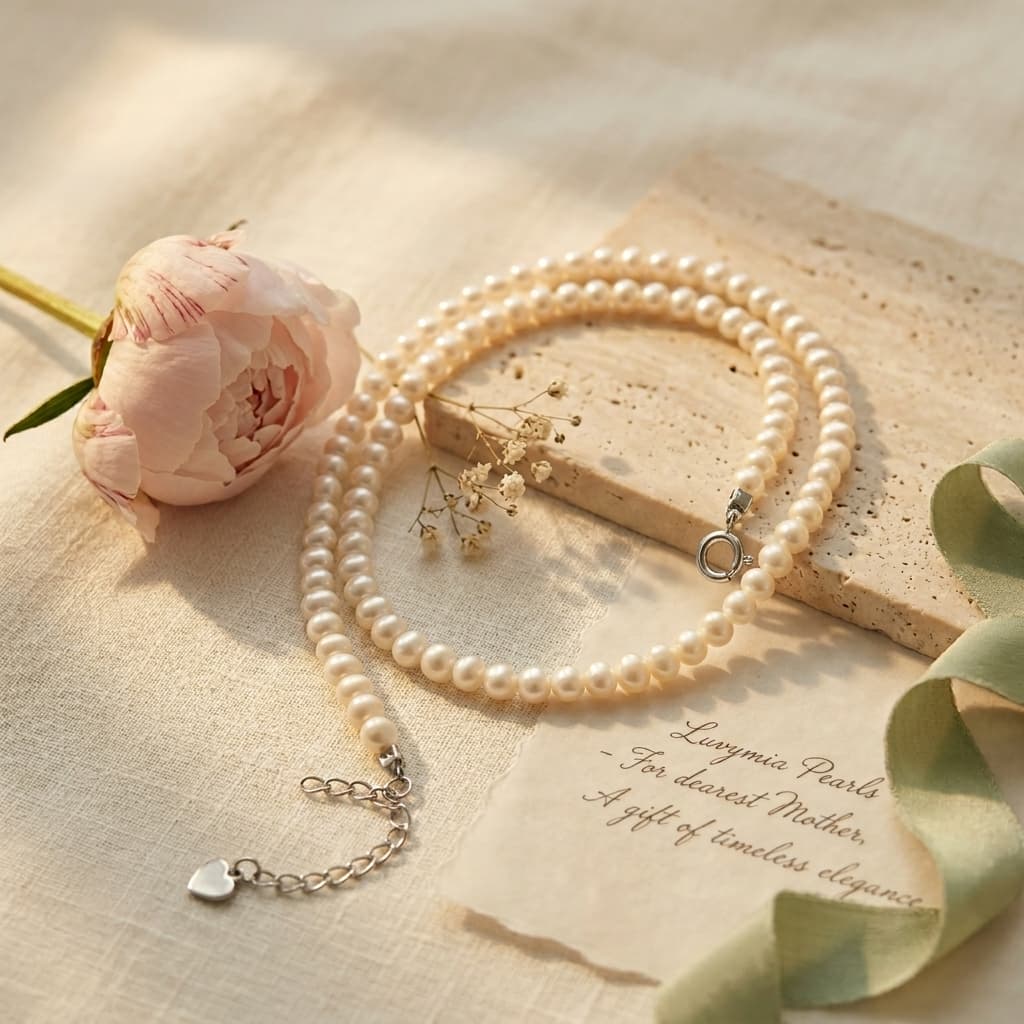
timeless pearl necklace elegant minimal style
From Royal Courts to Modern Life
Today, you don’t need a crown to wear pearls.
But the meaning hasn’t disappeared.
It has simply changed.
Where pearls once symbolized external power, they now reflect something more personal:
• self-possession
• clarity
• quiet confidence
The setting is different.
The essence remains.
—
A Shift in Interpretation
Royalty used pearls to establish hierarchy.
Today, you wear them without needing to prove anything.
Not to signal status.
But to express presence.
That shift is subtle — but powerful.
(You may also like: Why Pearls Were Once More Valuable Than Diamonds )
(Continue reading: A Pearl Is Not Jewelry. It’s a Decision)
—
Why Pearls Still Feel Relevant
Trends change quickly.
But some materials stay.
Pearls remain relevant because they do not depend on trend cycles.
They adapt.
They simplify.
They endure.
—
FAQ
Why were pearls important in royal history?
Because of their rarity and natural origin, making them symbols of wealth and power.
Which queens were known for wearing pearls?
Elizabeth I and Anne Boleyn are among the most well-known examples.
What did pearls symbolize for royalty?
They represented purity, authority, and refined power.
Are pearls still considered luxury today?
Yes, but modern interpretations focus more on personal style than status.
Why do pearls feel timeless?
Because they are not tied to trends and have remained consistent across centuries.
—
Internal Links
• The Most Expensive Drink in History: Cleopatra’s Pearl
—
Product Inspiration
• Classic Pearl Necklace
• Pearl Stud Earrings
• Minimalist Pearl Jewelry
(Shop the full collection:The 10 Essentials)
—
At Mirenpearl, we believe every pearl’s unique curve is a celebration of your story.
Be Beautiful for Yourself Only.