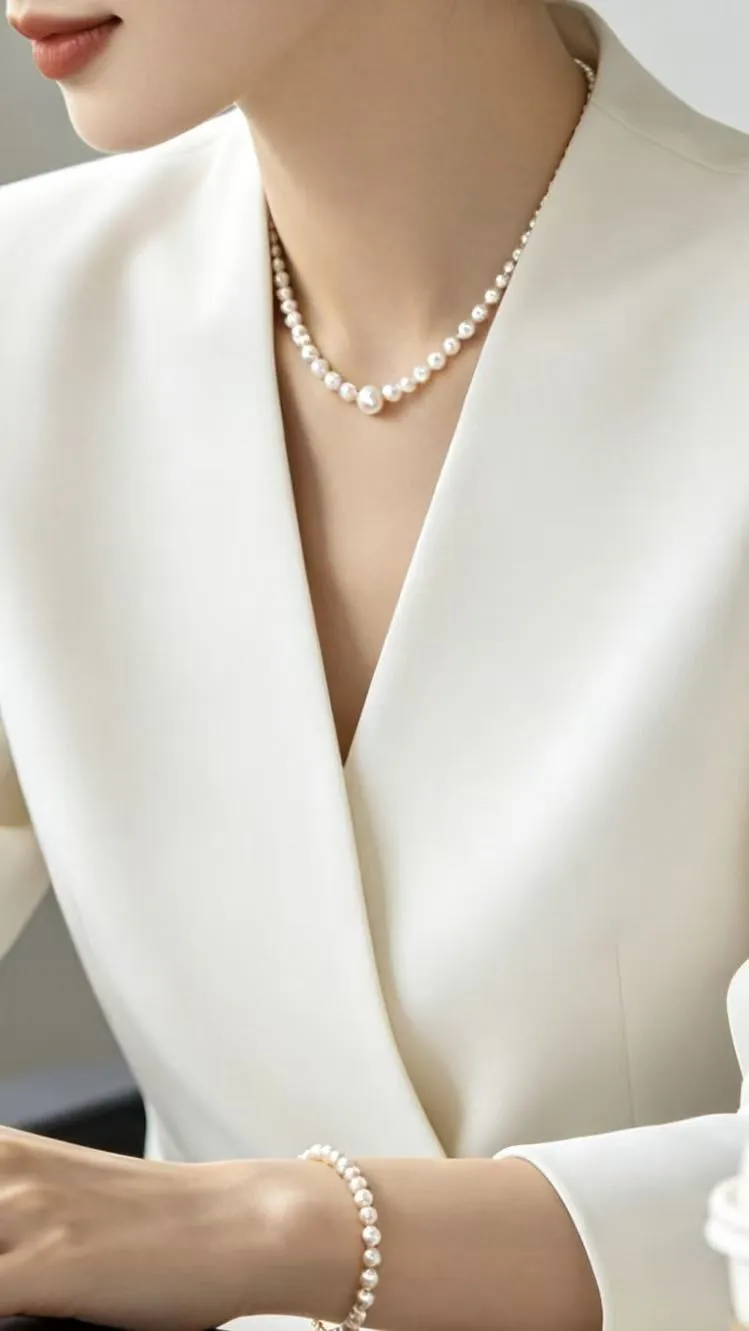
From Treasure to Accessible Luxury: The Economics of Pearls
Applies broadly — not location-specific
There was a time when pearls were beyond reach.
Not because people didn’t want them.
But because most people never had the chance.
Today, that has changed.
But the story behind that change is not simple.
—
When Pearls Belonged Only to the Few
For centuries, pearls were among the most exclusive objects in the world.
They were owned by:
• royalty
• nobility
• elite collectors
Their rarity made them inaccessible.
Not by design — but by nature.
(You may also like: Why Pearls Were Once More Valuable Than Diamonds)
—
The Economics of Scarcity
The value of pearls was built on one thing:
Scarcity.
Because:
• they formed randomly
• they were difficult to find
• supply was extremely limited
This created a market where only the wealthy could participate.
Pearls were not just luxury.
They were restricted luxury.
—
The Turning Point: Controlled Supply
The introduction of cultured pearls changed the entire system.
For the first time:
• supply became predictable
• production became scalable
• access became possible
This did not reduce the essence of pearls.
It changed their availability.
(Continue reading: Why the Pearl Industry Collapsed After Cultured Pearls)
—
When Luxury Becomes Accessible
As supply increased, something important happened:
Pearls moved from:
👉 exclusive ownership
to
👉 shared access
This is a classic economic shift:
When production scales, luxury becomes democratized.
—
Did Pearls Lose Their Value?
This is the wrong question.
Value did not disappear.
It transformed.
Before:
• value = rarity
Now:
• value = quality + design + meaning
The definition changed — not the importance.
—
A New Role in Everyday Life
Accessible luxury allowed pearls to enter daily life.
They are no longer limited to:
• ceremonies
• formal events
• historical displays
They now belong in:
• work
• quiet routines
• personal moments
This shift is not about lowering standards.
It is about expanding relevance.
—
The Rise of Quiet Luxury
As pearls became more accessible, a new kind of luxury emerged:
Quiet luxury.
Not defined by:
• price tags
• visibility
• social approval
But by:
• subtlety
• intention
• personal alignment
(You may also like: What Does Quiet Luxury Really Mean)
—
Why This Shift Matters
In the past, pearls showed what you could afford.
Today, they show what you choose.
This is a deeper form of value.
It is no longer about exclusion.
It is about expression.
—
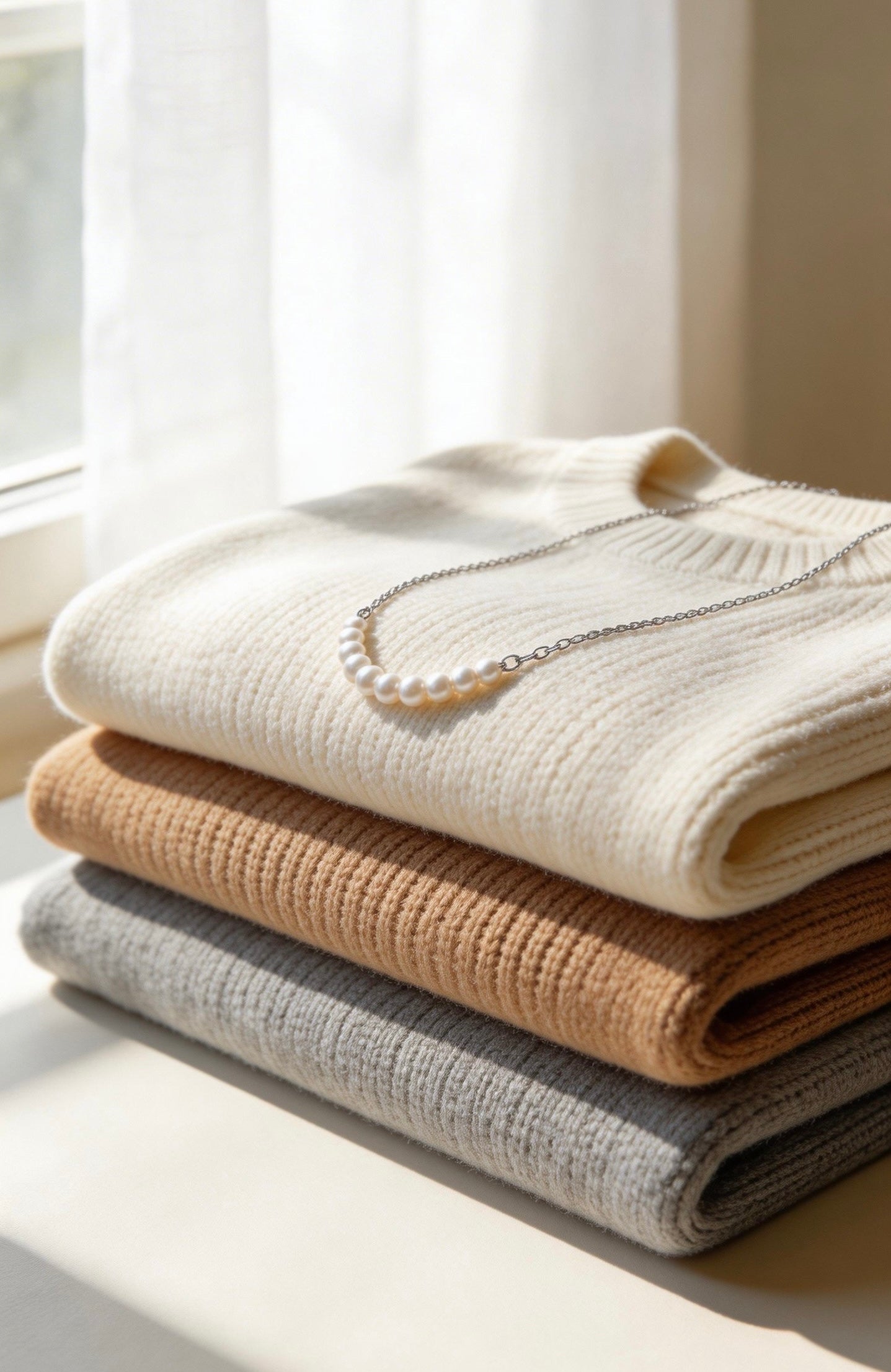
From Status to Self
The economics of pearls tells a bigger story.
A shift from:
• status → identity
• ownership → meaning
• rarity → connection
Pearls did not become less important.
They became more personal.
—
What This Means for You
You no longer need access to power to wear pearls.
You only need a reason.
And sometimes, that reason is simple:
You like them.
—
FAQ
Why were pearls once only for the wealthy?
Because natural pearls were extremely rare and difficult to obtain.
What made pearls more affordable?
The development of cultured pearl farming increased supply.
Did this reduce pearl quality?
Not necessarily — many cultured pearls still have excellent luster and structure.
What defines pearl value today?
Quality, craftsmanship, and how the piece fits into everyday life.
Are pearls still considered luxury?
Yes, but modern luxury is more about subtlety and personal meaning.
—
Internal Links
•The Pearl Trade Routes: How Oceans Built Wealth Before Global Markets
—
Product Inspiration
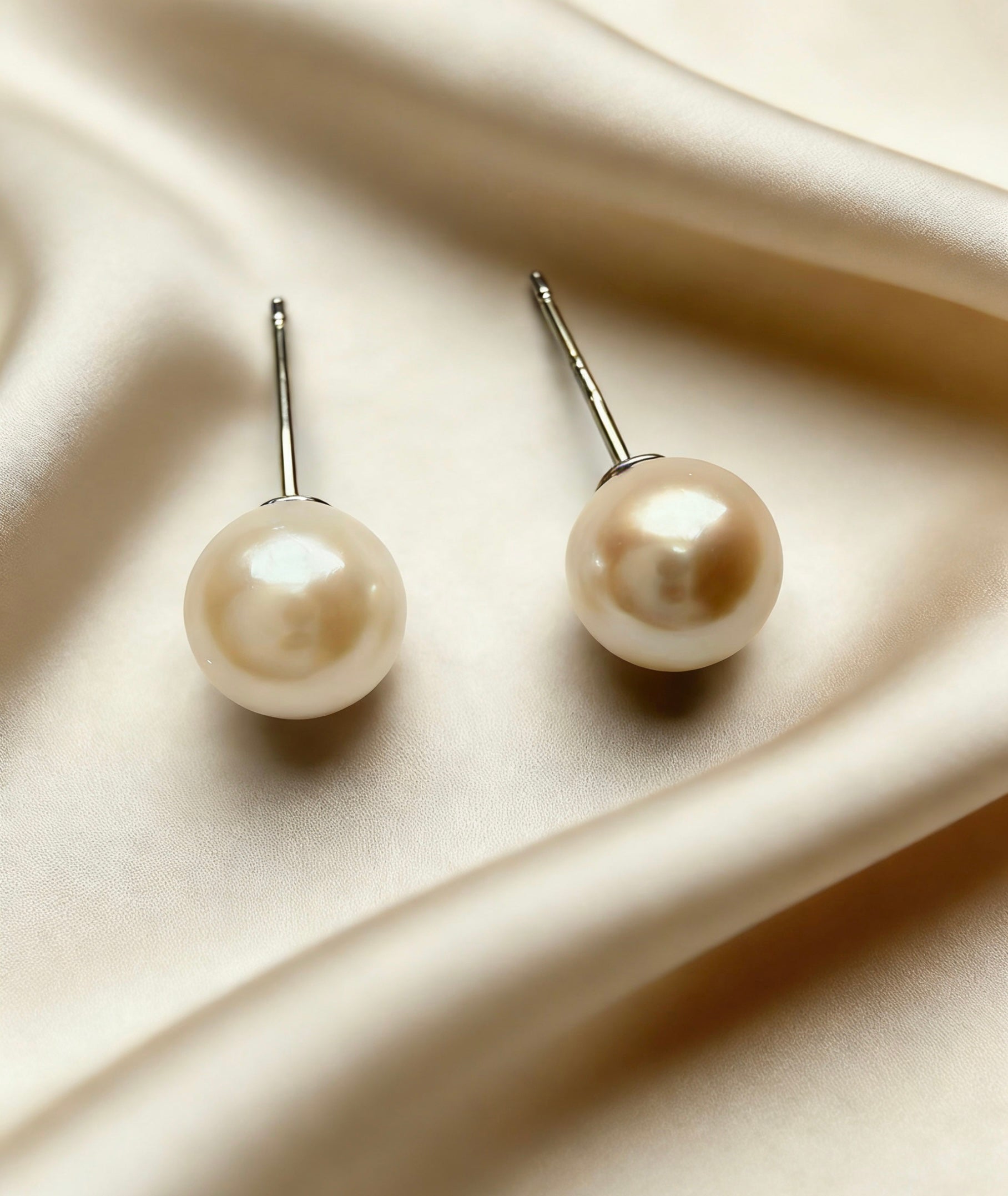
• Minimalist Pearl Necklace
• Baroque Pearl Pendant
• Everyday Pearl Jewelry
(Shop the full collection:The 10 Essentials)
—
At Mirenpearl, we believe luxury is no longer about who can access it —
but about how it lives with you.
Be Beautiful for Yourself Only.