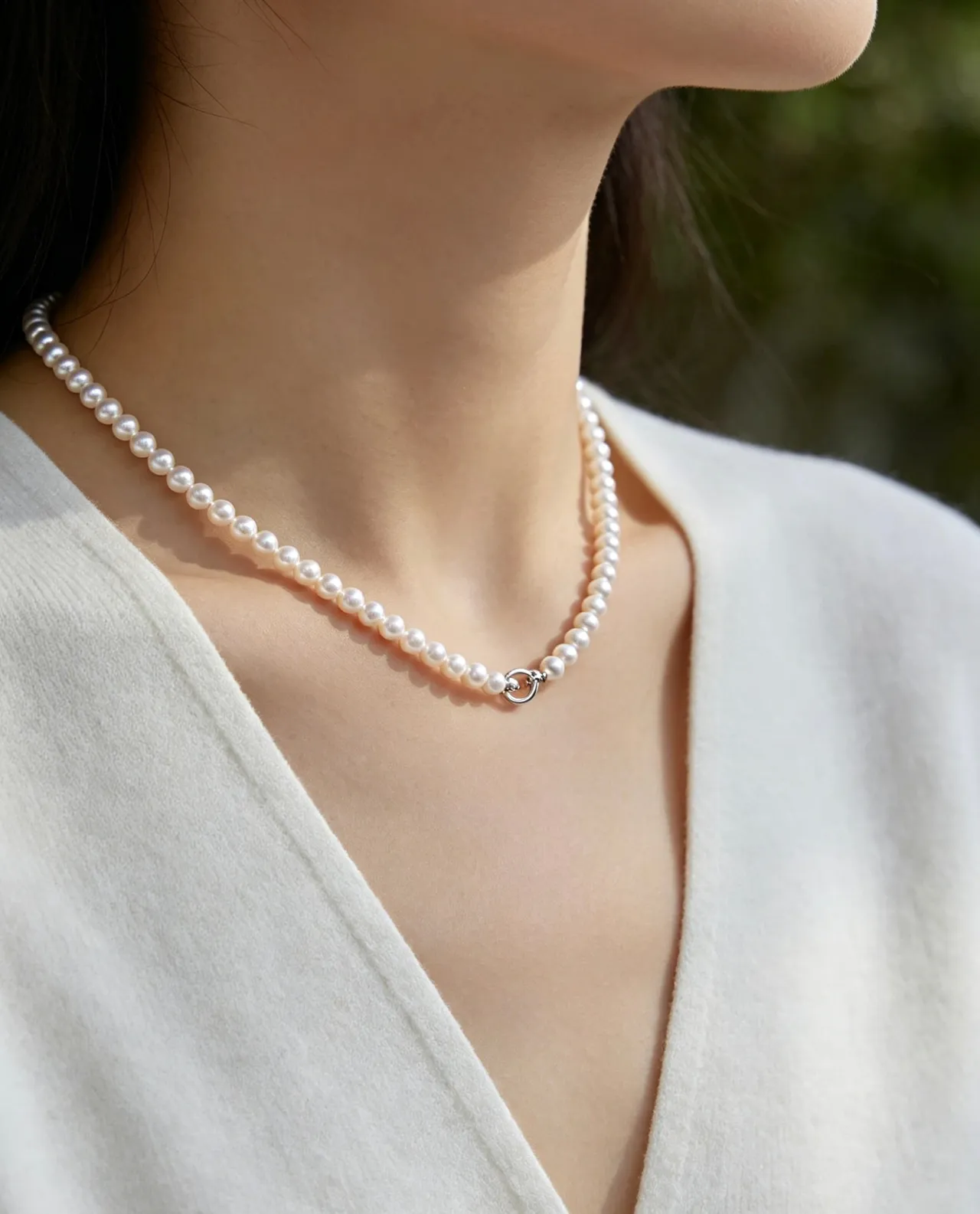
Pearl vs Diamond for Bridesmaids: Which Is Better?
Applies broadly — not location-specific
The choice between pearl and diamond (or diamond alternative) for bridesmaid jewelry is one of the most practical jewelry decisions in wedding planning — and one of the least discussed with honest specificity. Most guides either default to pearl as the traditional choice or to diamond-style stones as the more glamorous one, without fully explaining the considerations that make one or the other the right choice for a specific wedding party.
This guide covers the actual differences in how these materials perform in the bridesmaid context — visually, practically, and financially — and how to make the choice that produces the best result for your specific wedding.
You may also like to read: Pearl or Moissanite? How to Decide for Each Person in Your Bridal Party
What the Bridesmaid Context Requires
Bridesmaid jewelry serves two functions simultaneously that do not always pull in the same direction: it needs to coordinate visually as a group in photographs, and it needs to be a gift that the specific person receiving it will actually keep and wear. Jewelry that photographs well but sits in a drawer after the wedding has failed the second requirement. Jewelry that the individual loves but creates visual discord in group photographs has failed the first.
The ideal bridesmaid jewelry does both — and understanding which material achieves this more reliably in which contexts is the point of this comparison.
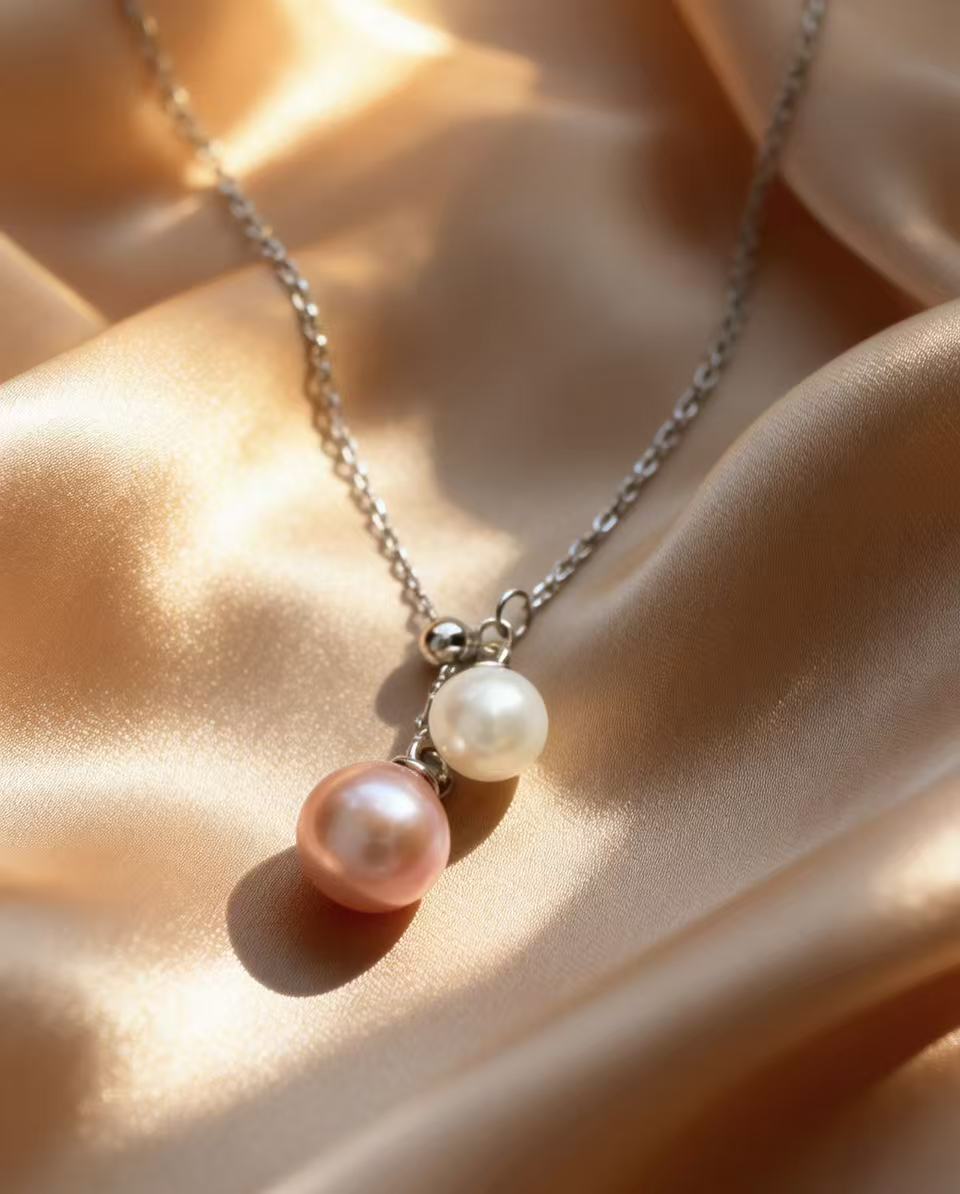
Pearl for Bridesmaids
Why Pearl Works for Bridesmaid Jewelry
Material versatility: Pearl's cream-white warmth works with every bridesmaid dress color — blush, sage, navy, burgundy, dusty blue, champagne, forest green. It does not clash with any of them. It does not compete with any of them. Pearl sits in the visual palette as a neutral that complements rather than coordinates with specific colors, which means it works regardless of what color the bridesmaids are wearing.
Scale flexibility: Pearl is available in a wide enough range of sizes and styles that each bridesmaid can wear something that suits her specifically — the minimalist gets pearl studs, the one who loves movement gets baroque drops, the one who prefers necklaces gets a pendant — while all remaining in the same material. This variety within material consistency is one of pearl's strongest bridesmaid advantages.
Wearability after the wedding: A quality freshwater pearl piece is wearable in everyday life — for work, for dinners, for casual occasions — in a way that more obviously formal or sparkly bridesmaid jewelry sometimes is not. The pearl stud or pendant that goes from the wedding day to the office to the weekend is more valuable as a gift than the piece that waits for an appropriate occasion that rarely arrives.
Visual hierarchy: Pearl's softer, warmer presence supports rather than competes with the bride's more brilliant pieces. If the bride is wearing moissanite, her bridesmaids in pearl create a clear visual hierarchy where the bride leads and the party supports. This hierarchy reads naturally in photographs without requiring any individual piece to be inferior in quality.
Where Pearl Is Less Strong
Pearl requires more care than faceted stones — keeping it away from perfume and cosmetics, wiping after wearing, storing separately. For bridesmaids who are unlikely to maintain this care routine, a more durable, lower-maintenance material may produce better long-term results. Pearl also has less visual impact in low light or evening conditions than a faceted stone — for a formal evening wedding, diamond-style jewelry may photograph with more presence.
Diamond (and Diamond Alternatives) for Bridesmaids
Why Diamond-Style Jewelry Works for Bridesmaid Jewelry
Sparkle in evening and formal contexts: At a formal evening wedding, diamond-style stones — whether actual diamond, moissanite, or cubic zirconia — catch the light and add visual brilliance that pearl's softer glow does not match. For a black tie wedding or an evening ballroom reception, the sparkle of a faceted stone in the bridesmaid jewelry adds to the overall visual impact in a way that pearl, beautiful as it is, cannot fully replicate.
Lower maintenance: Faceted stones require less care than pearl. They can be worn with perfume, they can be cleaned with standard jewelry cleaner, and they are less susceptible to surface damage from chemicals. For bridesmaids who will wear the piece regularly in everyday life, the lower maintenance requirement is a practical advantage.
Durability: Moissanite (9.25 Mohs) and diamond (10 Mohs) are harder than pearl and less susceptible to surface scratching from contact with other jewelry or hard surfaces.
Where Diamond-Style Falls Short for Bridesmaids
Visual competition with the bride: If the bride is wearing moissanite or diamond jewelry, bridesmaids in the same material can blur the visual hierarchy. The bride needs to read as the lead; bridesmaids in similarly sparkly jewelry can create a visual competition that photographs less clearly. This is not an insurmountable problem — it requires managing the scale (bride's pieces larger/more elaborate than bridesmaids') — but it requires more attention than the pearl-for-bridesmaids approach.
Cost at quality: Quality moissanite bridesmaid jewelry (GRA certified, quality setting) costs more per piece than equivalent quality freshwater pearl. For a wedding party of five or six bridesmaids, this cost difference across the full set is meaningful. Cubic zirconia at the bridesmaid price point looks good briefly and less good over time — the luster fades with wear in a way that quality pearl and moissanite do not.
Color limitations: Clear, sparkly stones have a more specific color relationship with dress colors than pearl does. A highly sparkly piece with a very saturated bridesmaid dress color can read as visually busy rather than coordinated.
The Honest Recommendation
For most wedding contexts, pearl is the stronger bridesmaid material. Its versatility across dress colors, its variety within material consistency, its wearability beyond the wedding, and its natural visual hierarchy with bridal moissanite make it the more reliable choice across the widest range of weddings and bridesmaid personalities.
Diamond-style stones are the stronger choice for formal evening weddings where maximum sparkle is the visual goal, and for bridesmaids who specifically prefer faceted stones and whose dress colors suit a sparkly piece.
The choice is not either/or — many weddings use both, with pearl for bridesmaids and moissanite for the bride, creating a combination that serves the visual hierarchy, the formality range, and the individual wearability requirements simultaneously.
Frequently Asked Questions
Is pearl or diamond better for bridesmaids?
For most weddings, pearl is the more reliable bridesmaid material. It works with every dress color, allows style variation within material consistency, reads as wearable in everyday life after the wedding, and creates a natural visual hierarchy with bridal moissanite or diamond. Diamond-style stones are better for formal evening contexts where maximum sparkle is the visual goal. The strongest approach for many weddings is both: pearl for bridesmaids, moissanite for the bride.
Does pearl look good in wedding photographs?
Yes — particularly in natural light and warm indoor lighting. Pearl's luster photographs with a warmth and depth that reads as genuinely beautiful in print and on screen. In direct flash photography, pearl produces a softer reflection than faceted stones — less sparkle, more glow. This quality suits most wedding photography aesthetics, which favor natural and warm light over direct flash.
Is moissanite appropriate for bridesmaid jewelry?
Yes, with attention to visual hierarchy. If bridesmaids are wearing moissanite, their pieces should be clearly at a smaller scale and lower elaborateness than the bride's moissanite pieces — small studs or simple drops rather than significant pendants or elaborate settings. This ensures the bride reads as the lead even when the material is shared. Pearl for bridesmaids and moissanite for the bride naturally solves this hierarchy problem without requiring scale management.
How much should bridesmaid jewelry cost?
Enough to be genuinely quality — real materials with real luster and real durability — without requiring a significant budget allocation. AAA freshwater pearl earrings and pendants in quality settings are available at accessible price points. Quality moissanite bridesmaid pieces cost more per piece than comparable pearl. For a full bridesmaid party, the total cost difference between pearl and moissanite bridesmaid jewelry is meaningful. Pearl is both the better bridesmaid material for most contexts and the more accessible one financially.
At LUVYMIA, we make AAA freshwater pearl bridesmaid jewelry designed to be worn beyond the wedding day. Browse our bridesmaid collection at luvymia.com. Every order plants a tree. Browse our groom collection at luvymia.com.